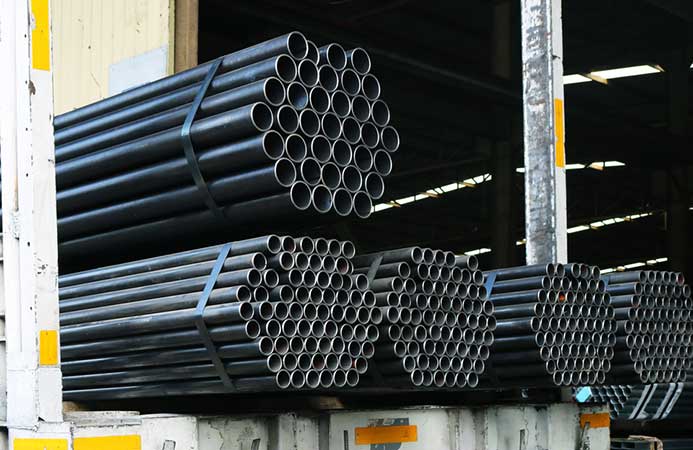
Clean energy demands materials that refuse to fail. Pipes carry hydrogen, biofuels, and geothermal steam under extreme pressure and temperature. One bad pipe can shut down a solar thermal farm or leak costly fuel. Engineers choose stainless steel because it fights corrosion, handles heat shifts, and lasts decades.
No other material offers this balance of strength and reliability. Let’s find out why leading SS pipe suppliers in Dubai recommend this metal for green projects.
Resistance to rust:
Green energy systems usually face harsh weather or wet conditions. Stainless steel does not break down when it gets wet or touches salt. This means the pipes stay clean and do not leak. Using a material that lasts for decades helps reduce waste.
Handling high heat:
Solar plants and geothermal systems get very hot during the day. Regular metal might bend or get weak when the temperature rises. Stainless steel stays stiff and holds its shape even when things get boiling hot. This reliability helps the plant keep working without any sudden breaks.
Keeping things pure:
Hydrogen energy needs to stay very clean to work correctly. Stainless steel has a smooth surface that does not catch dirt or tiny bits of metal. This helps the fuel stay pure as it moves from one place to another. Because the metal is so clean, it does not change the chemicals inside the pipe. This helps the technology work at its best.
Helping the planet:
This metal is great for the earth because people can recycle it easily. When an old energy plant closes, the pipes can be melted down to make something new. This creates a loop where very little waste goes into the ground. Choosing a material that lives forever in different forms is a great way to support nature.
Strength under pressure:
Many clean energy tools use high pressure to move gases or liquids. Stainless steel is very tough and can handle these heavy loads without cracking. It provides a safe wall that keeps everything contained where it belongs. This strength gives builders peace of mind that the pipes will stay solid for many years.
Low maintenance needs:
Since these pipes do not rust or break easily, they do not need much looking after. Workers do not have to spend time cleaning or painting them to stop decay. This saves a lot of money over the life of the project. It allows teams to focus on making energy instead of fixing old plumbing issues.